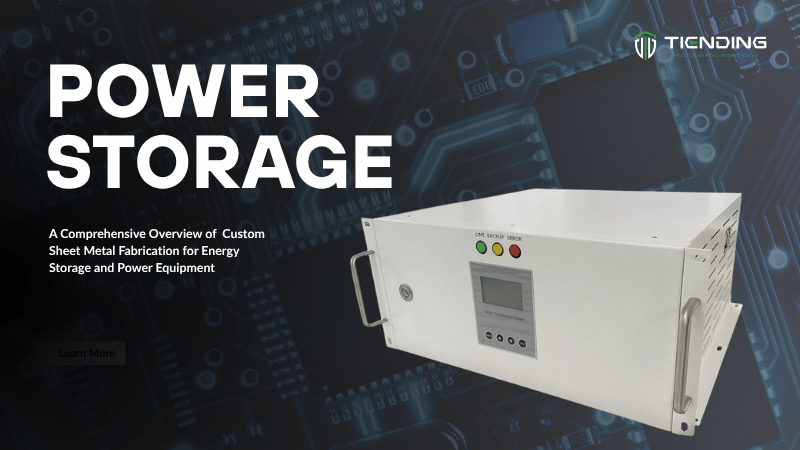
TIEN DING provides custom sheet metal OEM/ODM manufacturing for energy storage enclosures and electrical equipment cabinets. Based on customer requirements for equipment layout, installation space, and maintenance access, we evaluate enclosure structures, protective covers, and internal sheet metal components.
By coordinating sheet metal fabrication and industrial painting through our supply chain, we can evaluate a 5–6 week delivery plan once drawings, specifications, and order conditions are confirmed. Actual lead times are determined on a project-by-project basis.
1. Why Should Sheet Metal Fabrication and Painting Be Planned Together?
Quick Answer: Coordinating sheet metal fabrication and industrial painting helps equipment manufacturers manage enclosure delivery schedules and plan subsequent assembly operations. Confirming fabrication and coating requirements early can reduce the risk of painting delays affecting wiring, component installation, testing, and final shipment.
For equipment manufacturers, receiving a completed enclosure is only one stage of the production process. Electrical wiring, component installation, functional testing, and final inspection may still need to be completed before shipment.
When industrial painting is delayed, it can affect not only enclosure delivery but also the time available for subsequent equipment assembly and testing.
When evaluating a sheet metal fabrication supplier, manufacturers should therefore consider not only production capabilities and pricing but also whether fabrication, surface preparation, and painting are included in a coordinated delivery schedule.
TIEN DING evaluates customer configuration requirements alongside delivery timelines and coordinates its sheet metal fabrication and painting supply chain to help equipment manufacturers plan subsequent assembly operations.
2. How Does Surface Preparation Affect Industrial Painting Quality?
Quick Answer: Surface preparation influences coating adhesion, corrosion resistance, and the overall finish of sheet metal enclosures. Acid pickling, chemical conversion coating, and abrasive blasting serve different purposes. The appropriate process depends on substrate condition, operating environment, and the customer's coating specifications.
The appearance and coating performance of an equipment enclosure depend on more than paint color. Substrate condition, surface cleanliness, pretreatment, and the selected coating system must be considered according to the intended operating environment.
Common surface preparation processes include acid pickling, chemical conversion coating, and abrasive blasting. Each serves a different purpose and should not be treated as an interchangeable alternative.
Common Surface Preparation Methods for Sheet Metal Enclosures
| Surface Preparation Method | Primary Purpose | Key Considerations |
|---|---|---|
| Acid Pickling | Removes rust and surface oxides | Cleaning, drainage, and drying must be planned according to material and structural characteristics. |
| Chemical Conversion Coating | Uses surface conversion treatment to help improve coating adhesion and corrosion resistance | Chemical type, substrate compatibility, and subsequent coating system must be verified. |
| Abrasive Blasting | Removes surface contaminants and creates a suitable surface profile | Sheet thickness, flatness, surface roughness, and subsequent coating requirements must be evaluated. |
These processes may also be combined depending on project requirements.
Before selecting a surface preparation method, manufacturers should confirm the substrate condition, whether the enclosure will be used indoors or outdoors, and the customer's coating specifications.
To maintain a reliable delivery schedule, surface preparation, coating requirements, and production scheduling should be confirmed early rather than waiting until sheet metal fabrication is complete.
3. What Sheet Metal Components Can Be Customized for Energy Storage and Electrical Equipment?
Quick Answer: Custom sheet metal components for energy storage and electrical equipment include enclosures, protective covers, doors, removable panels, frames, brackets, mounting plates, and partitions. Dimensions, mounting positions, ventilation openings, and surface finishes can be evaluated according to equipment layouts and customer specifications.
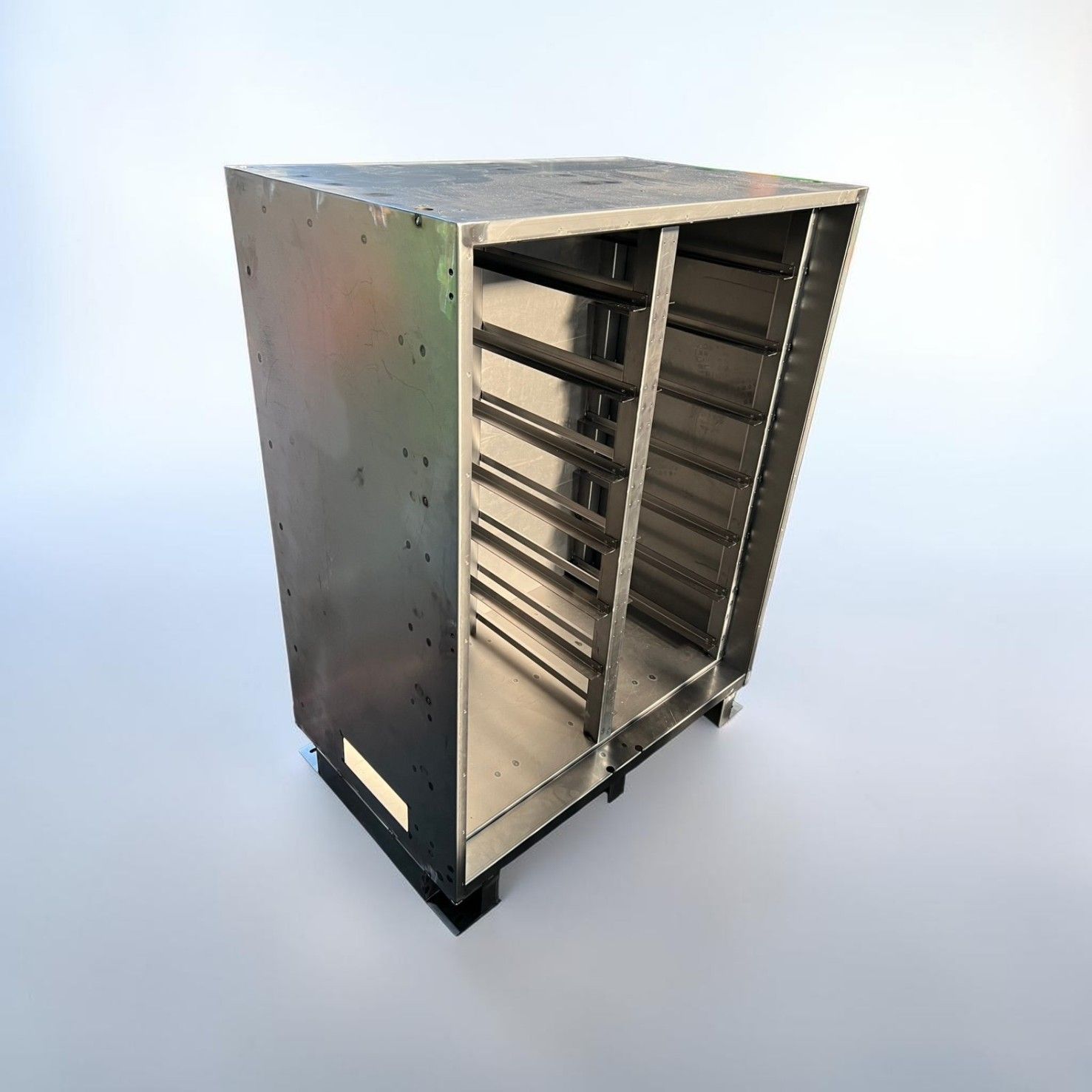
Energy storage systems and electrical equipment have different internal configurations, requiring customized enclosure dimensions, mounting positions, and maintenance access.
TIEN DING can evaluate the following custom sheet metal manufacturing requirements.
Custom Sheet Metal Components and Configuration Options
| Custom Component | Configuration Requirements |
|---|---|
| Enclosures and Protective Covers | Overall dimensions, sectional design, installation space, and appearance |
| Doors and Removable Panels | Door opening direction, removal methods, and maintenance access |
| Frames, Bases, and Brackets | Component layout, mounting positions, and load-bearing requirements |
| Mounting Plates and Partitions | Hole locations, component separation, and assembly interfaces |
| Ventilation and Cable Openings | Openings based on customer-specified cooling, airflow, and cable routing requirements |
| Surface Treatment and Painting | Color, appearance, operating environment, and coating specifications |
Our service scope primarily covers sheet metal fabrication and mechanical structural components.
Responsibilities for electrical functions, thermal performance, and overall equipment safety requirements are defined and agreed upon by both parties during the initial project stage, including the division of design and validation responsibilities.
4. What Is the Difference Between OEM and ODM Sheet Metal Manufacturing?
Quick Answer: OEM sheet metal manufacturing is suitable for customers with complete production drawings and specifications. ODM collaboration supports customers who have defined equipment configurations but require further mechanical design development. Both approaches involve confirming manufacturing requirements, assembly considerations, and acceptance criteria before production.
TIEN DING supports both OEM and ODM collaboration models, depending on the customer's drawing readiness and mechanical design requirements.
OEM Sheet Metal Manufacturing: Build-to-Print Fabrication
For customers with complete manufacturing drawings, OEM collaboration is suitable.
Customers provide drawings, material specifications, surface treatment requirements, and acceptance criteria. TIEN DING then evaluates manufacturing methods, pricing, and delivery schedules.
ODM Sheet Metal Manufacturing: Mechanical Design Development Support
For customers who have established equipment configurations but need further development of their sheet metal design, ODM collaboration may be appropriate.
Customers provide component dimensions, mounting positions, operating conditions, and functional constraints.
Both parties then discuss enclosure segmentation, fastening methods, assembly requirements, and maintenance access before finalizing manufacturing drawings.
Regardless of the collaboration model, defining configuration requirements and acceptance criteria early helps reduce the need for hole modifications, component rework, or repainting after fabrication.
5. How Can a 5–6 Week Sheet Metal Delivery Plan Be Arranged?
Quick Answer: TIEN DING can evaluate a 5–6 week delivery arrangement by coordinating sheet metal fabrication and industrial painting after drawings, specifications, quantities, and order conditions are confirmed. Actual lead times depend on project requirements and production schedules.
To establish a practical production schedule, customers are encouraged to provide the following information during the quotation stage.
- Drawings or configuration details: 2D/3D drawings, overall dimensions, or internal component layouts.
- Manufacturing and coating specifications: Materials, sheet thickness, colors, surface treatment, and inspection requirements.
- Order quantities: Prototype quantities, batch quantities, and anticipated future demand.
- Required delivery schedule: Target arrival date and subsequent assembly or shipment milestones.
OEM/ODM Manufacturing and Delivery Process
The 5–6 week delivery plan is subject to mutually confirmed drawings, specifications, quantities, and production schedules.
Projects involving new design prototyping, special materials, specified coatings, additional testing, or engineering changes during production require separate lead time confirmation.
6. Frequently Asked Questions About Custom Sheet Metal OEM/ODM
Q1. Can TIEN DING manufacture individual sheet metal components instead of complete enclosures?
Yes. Customers can request individual components such as enclosure doors, protective covers, mounting plates, brackets, and other sheet metal structural parts. The final manufacturing scope is confirmed during quotation.
Q2. Can I start an ODM project without completed manufacturing drawings?
Yes. You can provide equipment dimensions, internal component layouts, mounting positions, and maintenance access requirements. TIEN DING can use this information as the basis for discussing mechanical design requirements before finalizing manufacturing drawings.
Q3. Is the 5–6 week delivery time guaranteed for all sheet metal OEM/ODM projects?
No. The 5–6 week delivery arrangement is subject to project evaluation. Actual lead times depend on drawing completeness, materials, order quantities, coating specifications, and production schedules. TIEN DING confirms a feasible delivery schedule when accepting an order.
7. Request a Custom Sheet Metal OEM/ODM Manufacturing and Delivery Evaluation
Are you developing energy storage enclosures or electrical equipment cabinets, or looking for a sheet metal manufacturing partner capable of supporting customized requirements?
Share your drawings, required quantities, painting specifications, and target delivery schedule with TIEN DING.
We will discuss suitable OEM/ODM collaboration options and evaluate a coordinated manufacturing and delivery arrangement covering sheet metal fabrication through industrial painting.
Contact TIEN DING for Custom Sheet Metal OEM/ODM — Submit Your Drawings and Delivery Requirements